Tag: science
-
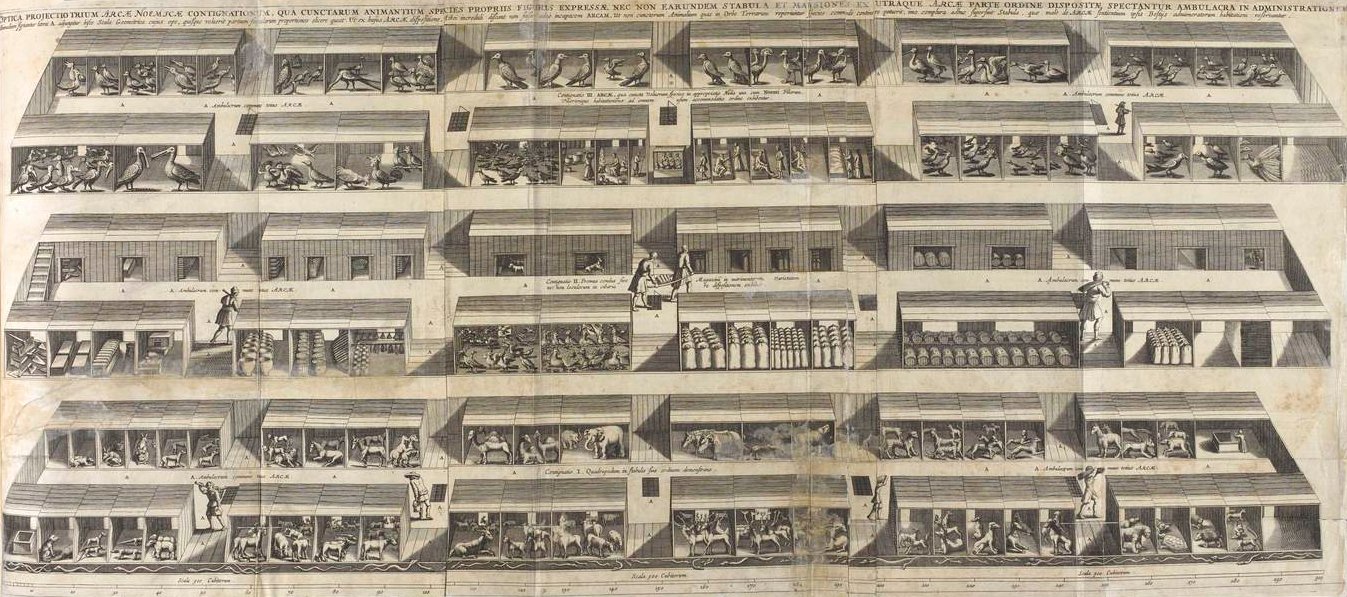
The Paper Zoo
Choosing to draw: philosophy and aesthetics Whatever else the Romans may have done for us, teaching us to draw was not one of their gifts. The two great works of classical scholarship on animals were Aristotle’s History of Animals, and Pliny the Elder’s Naturalis historia. Neither Pliny nor his Greek predecessor included any illustrations in…
-
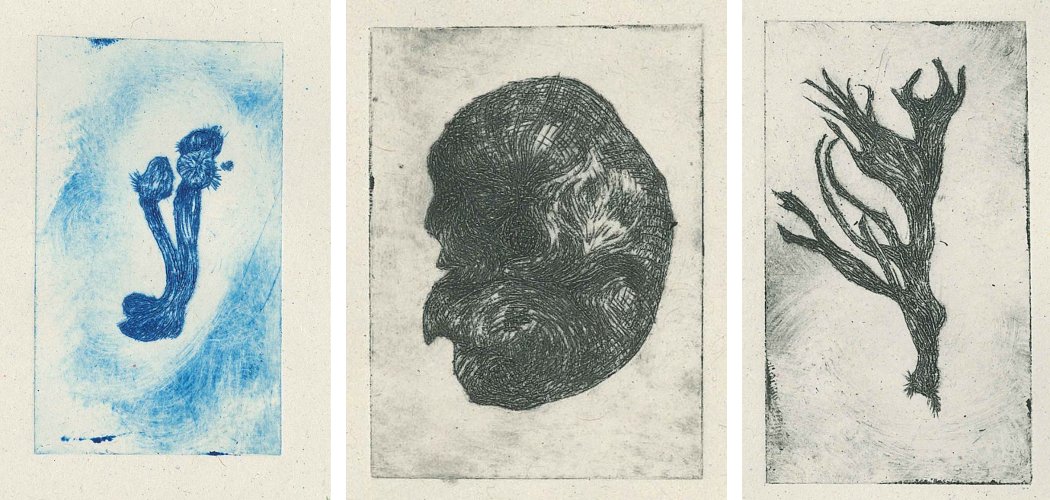
Fruiting Bodies in the Forest School
Fungi are unusual. They are easier to define through a process of elimination, by identifying what they are not. They are not animal, mineral or vegetable, but ‘fruiting bodies’, strange forms of life growing out of decay, with their own fecund vocabulary: hymenium, volva, universal veil, inner veil, sporangium, spore, apocethium. Since beginning my artist…
-

Epicormic Psychology
The regeneration of Australia’s flora and fauna after fire is swift; or is this just a misconception of a nation’s psyche? The winding trail of sandstone rubble ascends before me through a pocket of dorsal-fin shaped bushland in Lapstone, in Australia’s Blue Mountains. This ecosystem is not granted a name. Even though it…
-

Isomorphology
For interdisciplinary artist Gemma Anderson, drawing is a mode of knowing and seeing. While drawing is often understood in terms of isolated observation, by sharing the process with a community, for Anderson, it becomes a type of agency for collective knowledge and critical vision. Drawing therefore functions as a bridge between public and private, between…
-
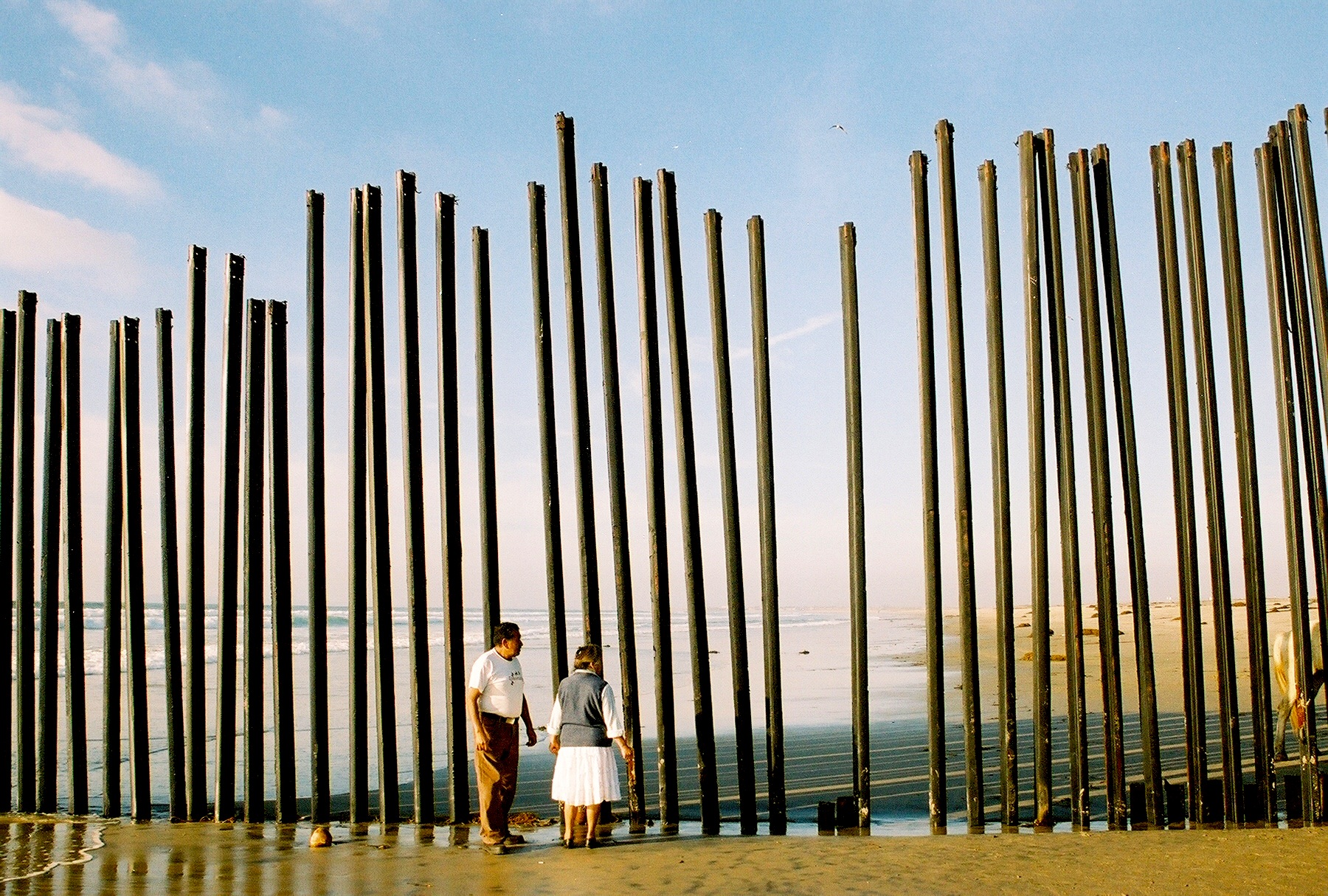
The Reality of Race
Over the last few decades there has been some confusion about the category of race, a category that was once so central to all the social sciences. If race often appears in quotes, does that mean it is not real? If race is a social construction, why is there still racism in institutions, feelings and…
-

The Courtiers’ Anatomists
What did it mean to experiment with animals in the seventeenth century? There is much ambiguity surrounding the terms “demonstration,” “experience,” and “experiment” in this period, further complicated by linguistic ambiguity: “expérience” in French and “experientia” in Latin could mean what we know in modern English as either experience or experiment. The medieval term “experimentum”…
-
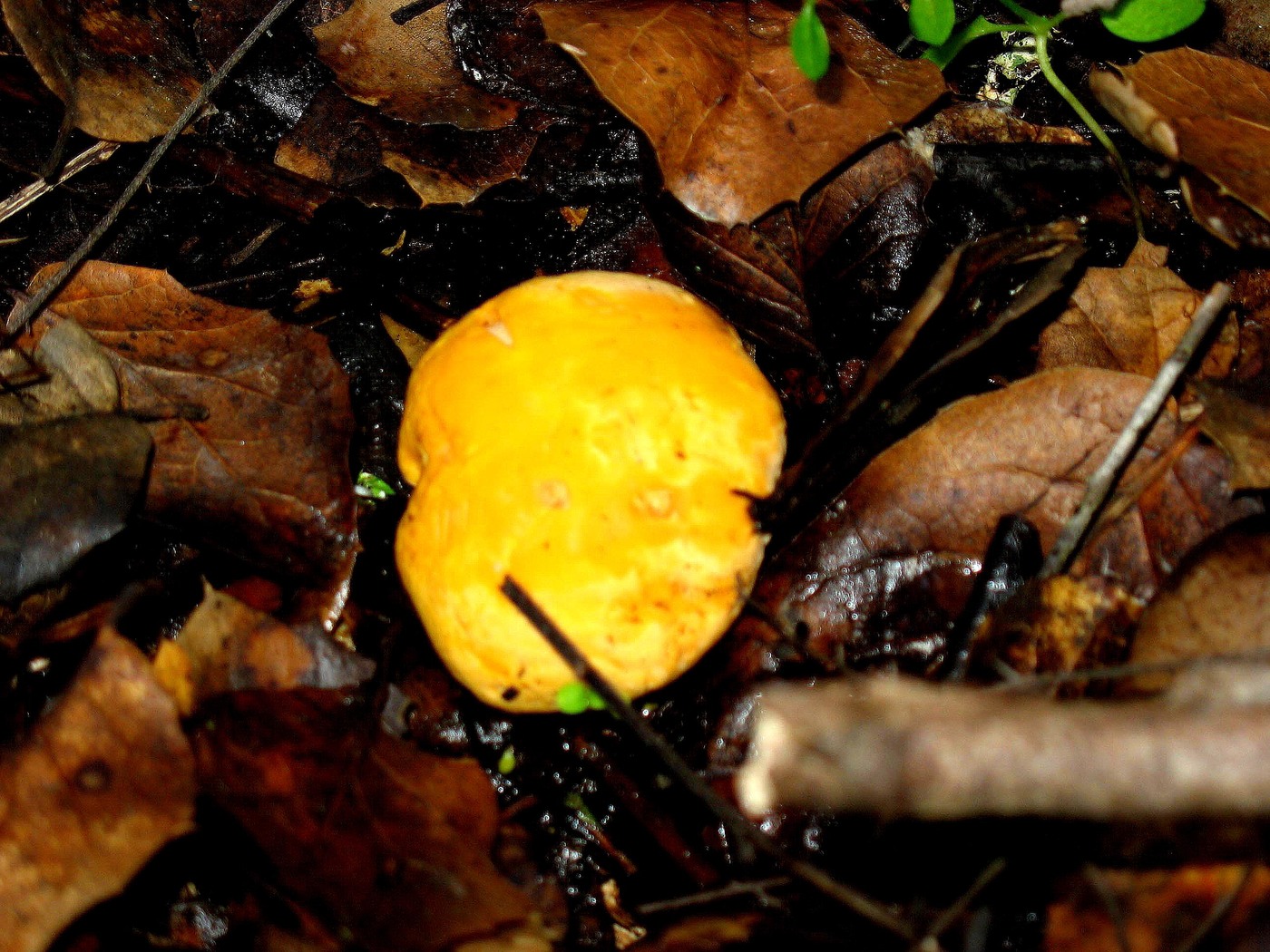
The Undomesticated Chanterelle
The Cantharellus cibarius, most commonly known as chanterelle, is one of the most celebrated wild edible mushroom in the world. You would think by now that this prized fungus, which can be collected in the hundreds in certain wooded areas, would be commercially cultivated. But it is not. In fact, only twenty edible fungal species…
-
The Death of a Beautiful Subject
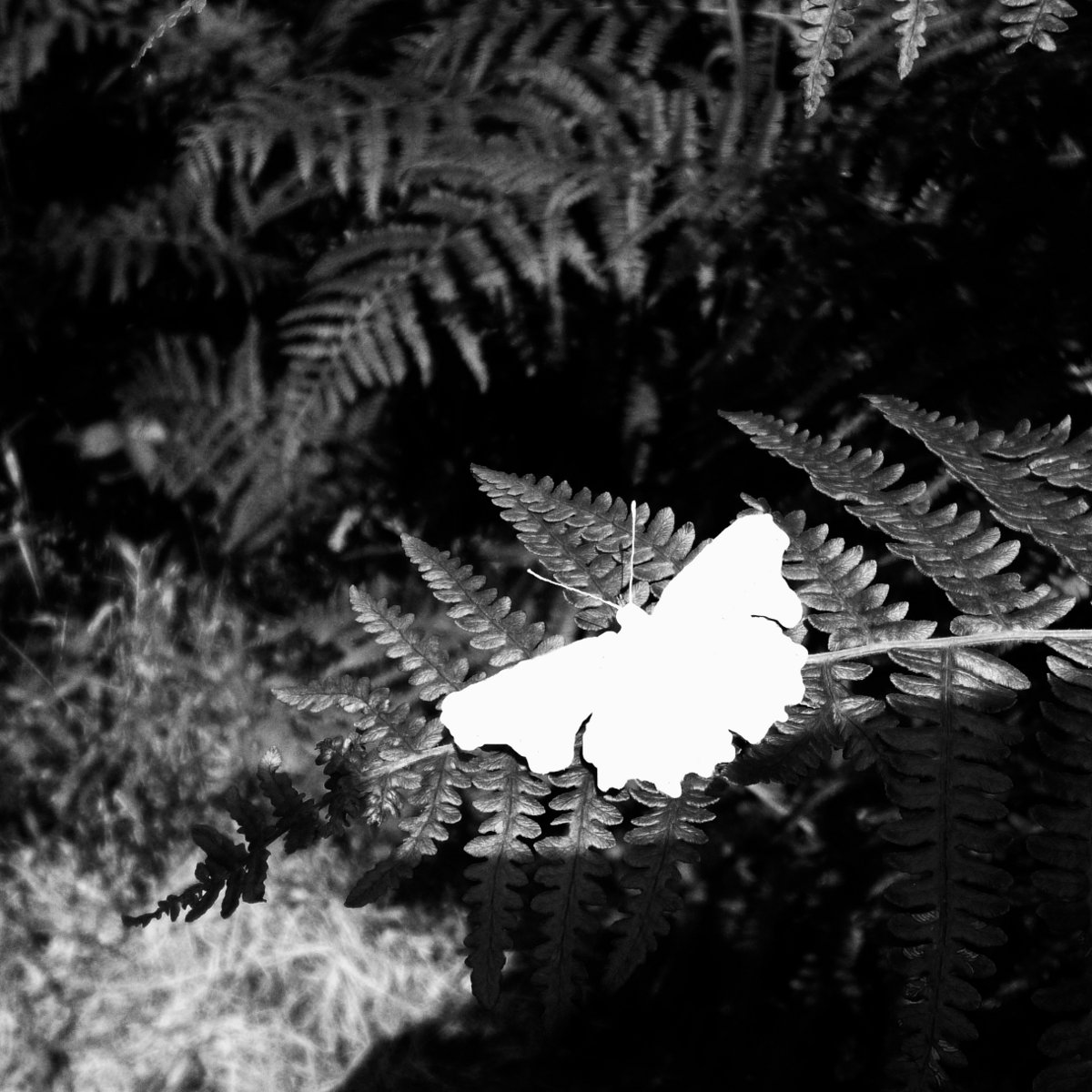
The Death of a Beautiful Subject is a multidisciplinary project by artist Sophy Rickett, which takes as its starting point a series of butterfly photographs taken by the artist’s father. As in previous projects, Rickett examines issues around collaboration and ownership, and encounters between humans, each other, and the natural world. Quiet and poignant and…
-

The Barometer of My Heart
On 20th February 2002, at the École des hautes études en sciences sociales (EHESS), in Paris, philosopher Jacques Derrida asked an audience of students the following question: “The phallus, I mean, the phallos, is it proper to man?” This question opened the eighth session of a series of lectures given by Derrida between 2001 and…
-
The Decomposition of Cetaceans
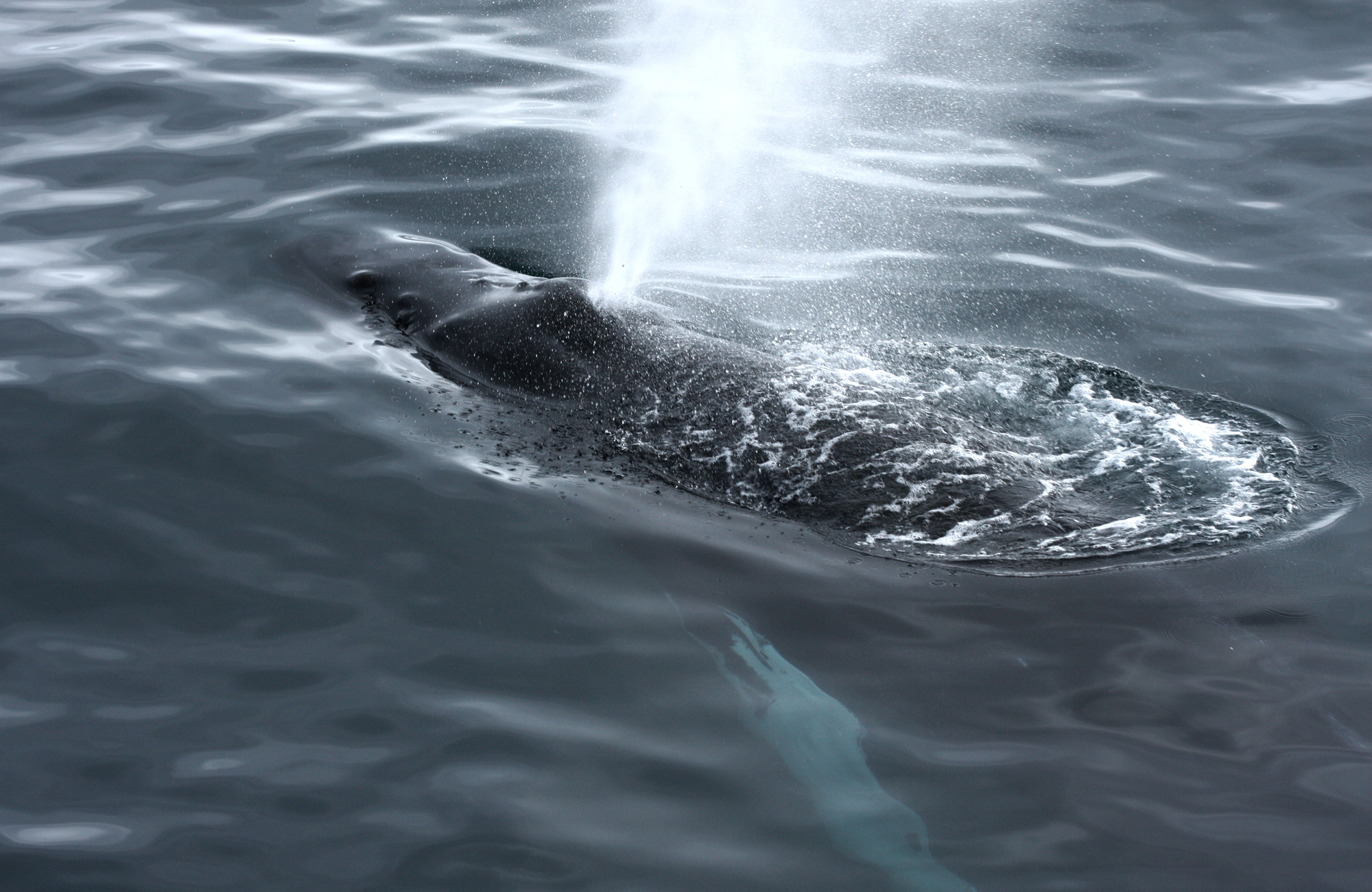
Working as a whale-watching guide offers many perks. I get to see live whales regularly, photograph them, and share the joy of encountering these giants. Over the last two years I have dedicated much time to working with cetaceans in Húsavík, northern Iceland. But there is one thing that can dampen the experience for many…
-

Hvalreki
Hvalreki is an installation piece, which explores and interrogates human relationships with whales through their residual bones. The work began through a personal interest in the history that links us humans to the mammals that inhabit the sea. It came about after spending four months in Húsavík, Northern Iceland; exploring the research done by whale…