Tag: crops
-
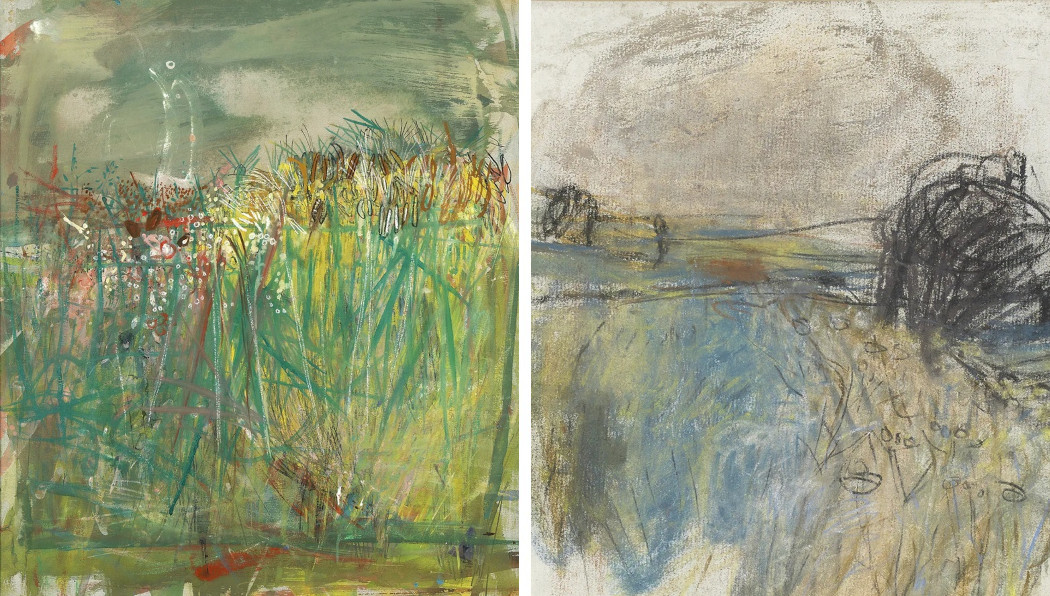
Meadow Grass / Unmake the Land
“In the tracks of grazing cattle and the oak tree’s swell” – a pair of new poems about labour and the land by writer Hannah Green.
-
Placemaps
Daegan Miller, author of This Radical Land, on moving house, making maps, and finding home – from Massachusetts to Wisconsin to New York and back again.
-

Observation Journal
In WWII, Nazis and Soviets fought for control over a seed collection. Now, artist Sergey Kishchenko plants fields to reconstruct these forgotten histories.
-
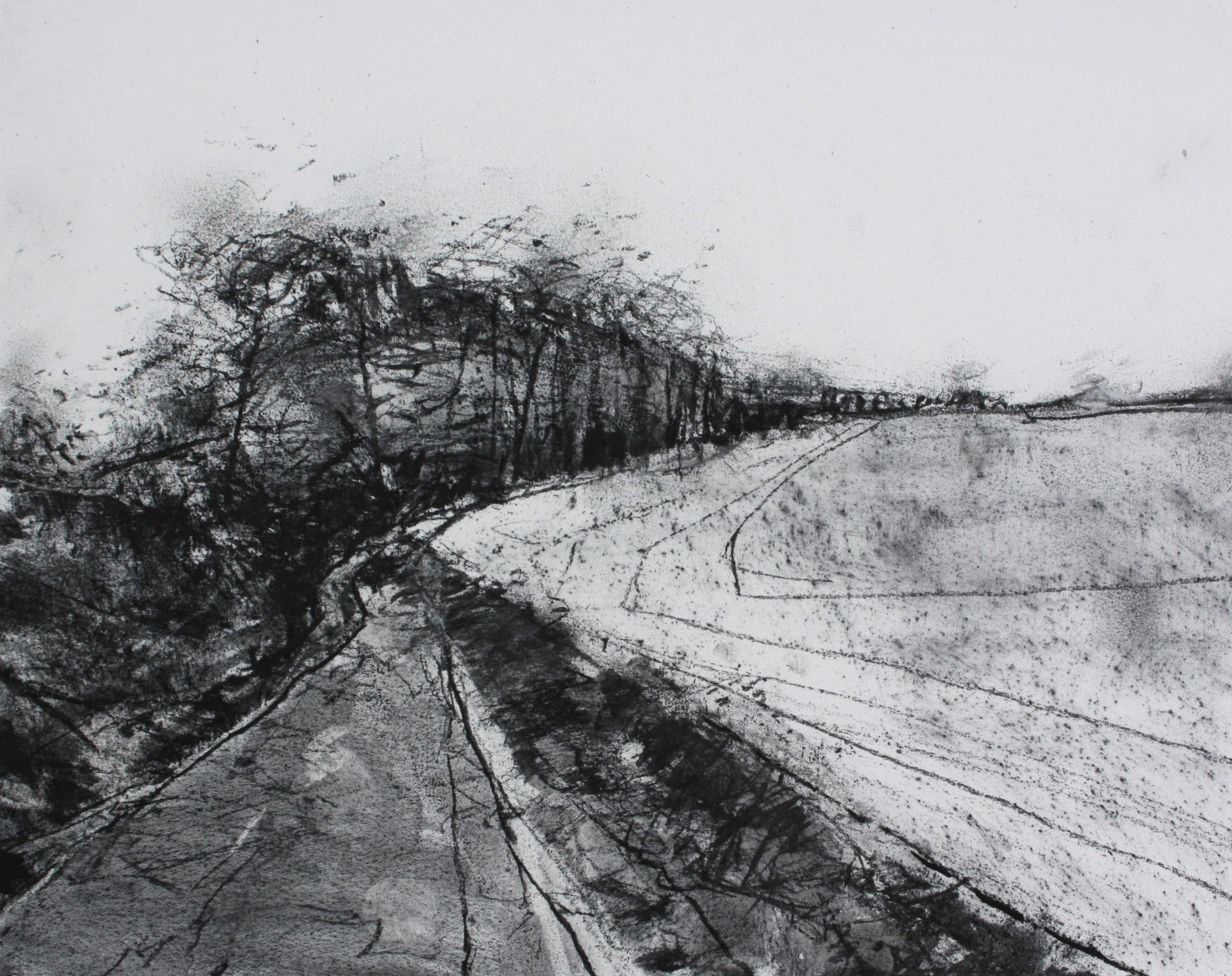
August & Grain
The fields were sudden bare – John Clare Across the field, a half-mile or more away – across a dry liquid rustle of oats – a combine moves … slow as a clock. Its smoke-& -dust plume flags its position as it cuts the first swath close to the headland’s hedge…
-
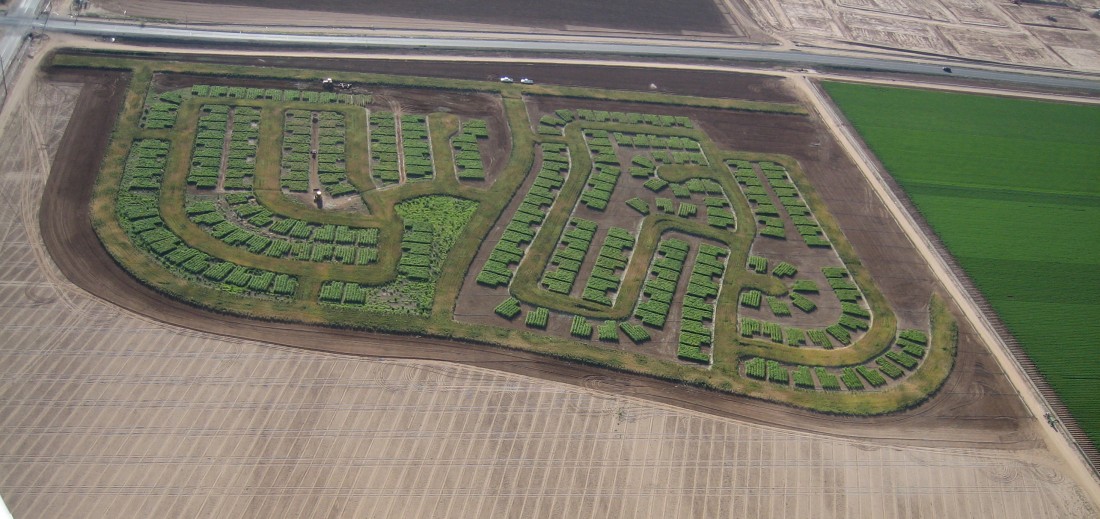
Farming Awareness
Visionary Farms In 1969, House & Garden magazine commissioned Patricia Johanson (b. 1940) to design estate gardens. In the letter inviting her to design gardens, landscape architect James Fanning clearly anticipated her using gravel, water, concrete blocks, wood or metal, rather than the natural materials her gardens deploy. When one examines the nearly 150 drawings…
-

Kenyan Roses for the Kingdom
During a residency in London in 2019, I developed a research and artistic project around the cut rose industry in Kenya. This was linked to on the one hand to the biography of wildlife activist Joan Root and on the other to past British colonial entanglements that are nevertheless still valid and problematic until today….
-
Cereal
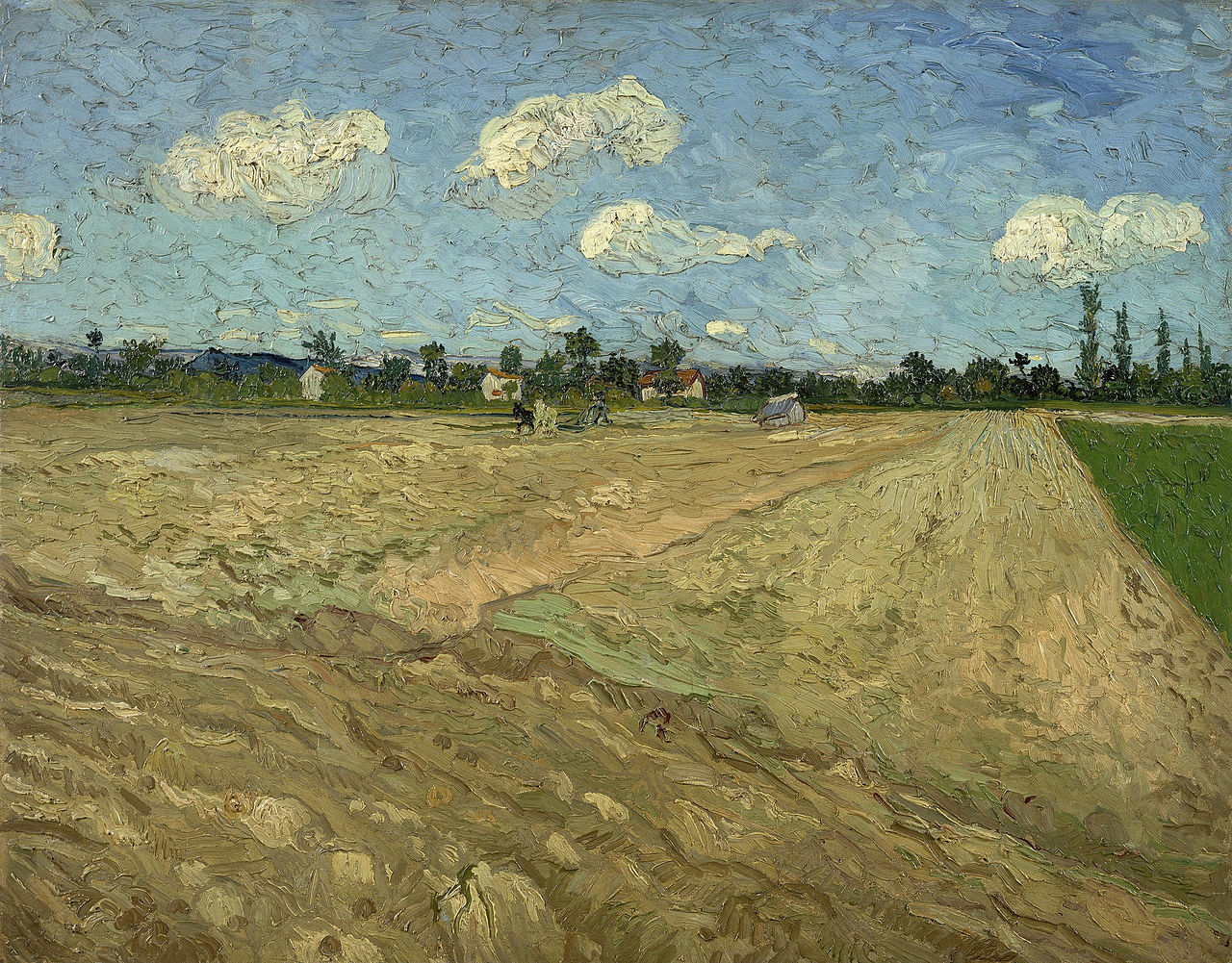
Once, more than 10,000 years ago, Triticum – cereal – was a wild-growing genus with many varieties. Due to their nutritious grains, some of these varieties were cultivated by humans. The resulting access to a more structured food source lead to a whole new form of living, eating and digesting. A process that simultaneously affected…
-

Holding Hands with the Land
They mix, knead, pour, roll, and pinch off hidden tastes. They leave streaks of butter on my glasses or fingerprints of flour on my clothes. Scattered burns, cuts, and calluses make them mine. Pleasantly sore wrists accompany me to bed many nights. But what I love most about my hands is the way they create…
-

Enemy of the State
Botanical illustrations of the early modern period (1550-1800), the “big science” of their day, served as documentation of useful plants found in colonial territories. Plants such as tobacco, sugar cane, cinnamon, cotton and tea were but a few items deemed reliable “cash crops” during this era of global economic expansion. Botanical illustrations led the way…
-
Revisiting a Geography of Hope
To be a farmer, at any point in history, means you grow food. You steward the land – soil, water, air, energy, plants, and animals – and make a living from its increase. It seems simple, at least in purpose, if not in practice: Grow good food. Now, in the twenty-first century, awareness is growing…
-

Editorial: Fields
In May 1982, American artist Agnes Denes began to transform a two acre empty plot at the foot of the World Trade Center into her work Wheatfield – A Confrontation, Battery Park Landfill. In the prior months, truck loads of dirty landfill had been dumped on the site, consisting of rubble, dirt, rusty pipes, automobile…